What You Can't Store in a Storage Unit in Australia
Published
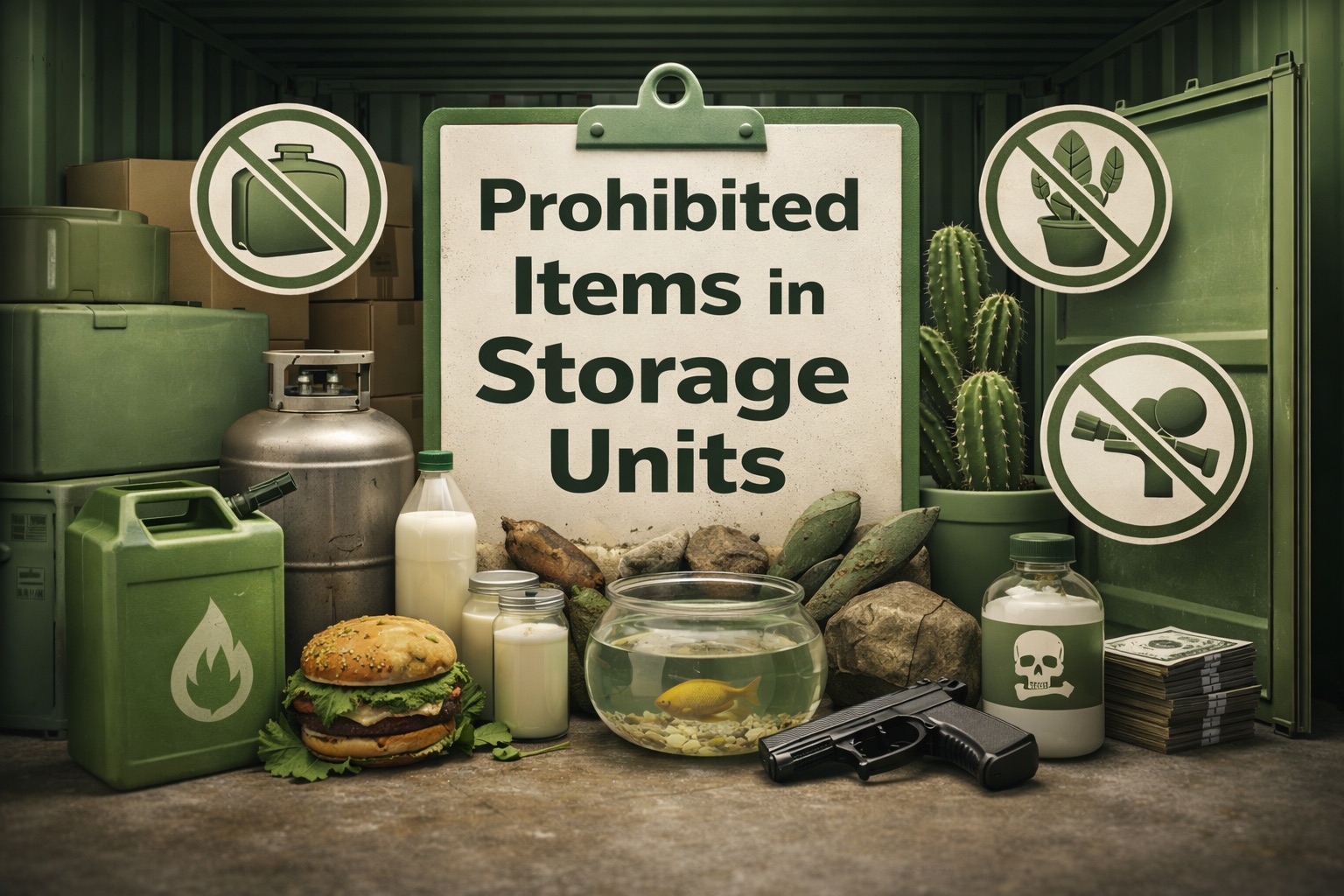
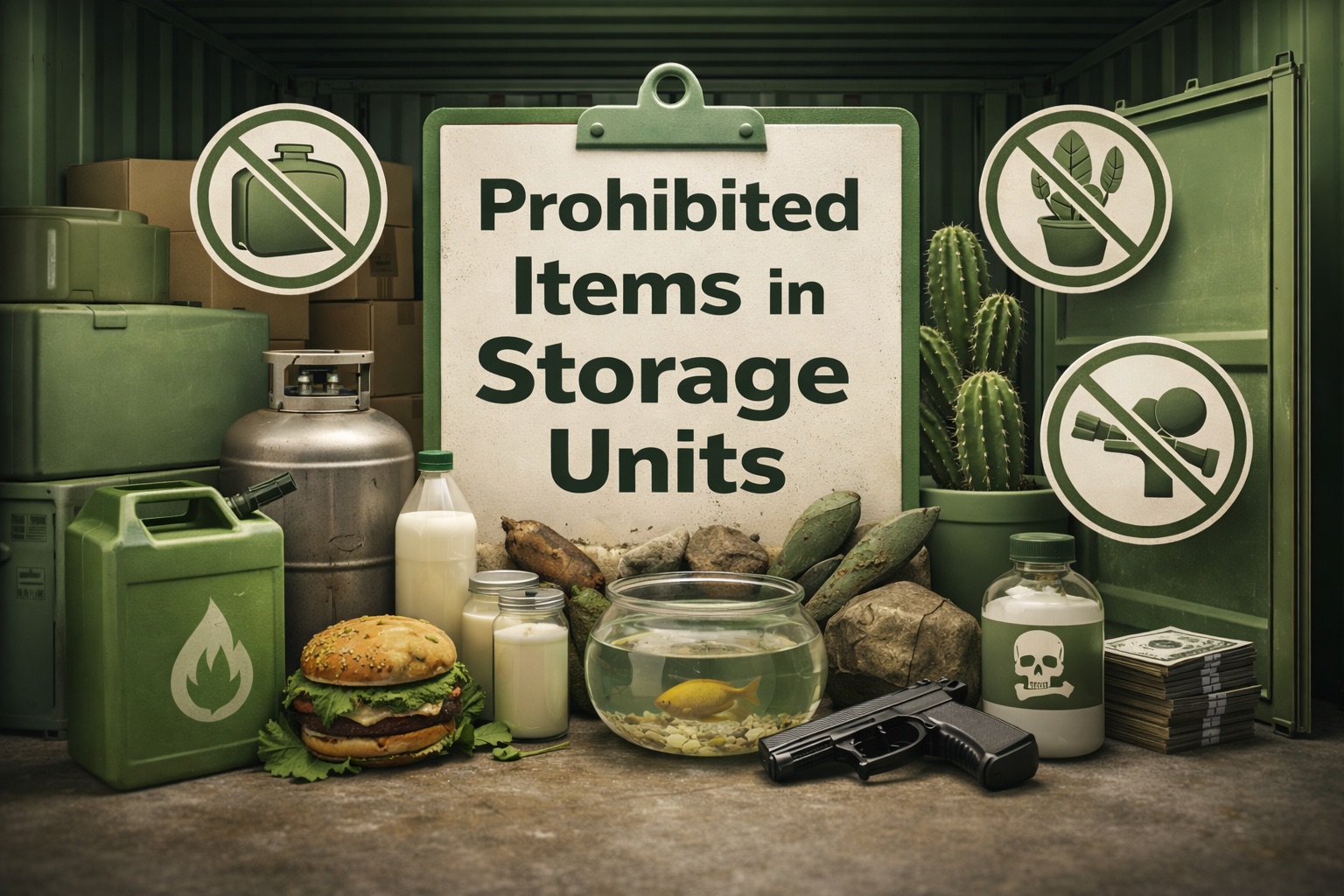
What Items Are Prohibited in a Storage Unit?
If you are looking for self storage in Brisbane, it is important to know that not every item can be safely or legally stored in a storage unit.
While self storage is ideal for furniture, tools, business stock and household goods, there are some items that are not allowed. These rules exist to protect your belongings, other customers and the storage facility itself.
Below is a practical guide to prohibited items in storage units, including why they are restricted and what you should avoid putting into storage.
Why Some Items Are Not Allowed in Storage
Most prohibited items fall into one of three categories:
- Items that create a fire or safety risk
- Items that may attract pests, create odours or cause contamination
- Items that are illegal or unsuitable for standard self storage
If an item could damage your unit, affect nearby customers or create a legal issue, it generally should not be stored.
Below are items that cannot be stored at Storage Land.
1. Flammable and Hazardous Materials
Any item that is flammable, explosive, toxic or corrosive should never be placed in a storage unit.
Examples include petrol, diesel, gas bottles, paint, paint thinners, batteries, solvents, chemicals, fireworks and similar dangerous products.
These items can create serious safety risks, including fire, explosion or chemical damage.
2. Food and Perishable Goods
Food should not be stored in a storage unit, especially if it is fresh, open or likely to spoil.
This includes meat, dairy, fruit, vegetables, open pantry items and animal feed.
Perishable goods can attract rodents, insects and other pests, while also causing smells, mould and contamination.
3. Living Things
Storage units are not suitable for anything living.
This includes animals, pets, plants, soil and biological materials.
These items require proper ventilation, light, care and monitoring, which a storage unit is not designed to provide.
This also includes people - yes - you cannot live in our storage containers!
4. Illegal or Stolen Goods
Illegal items and stolen property must never be stored in a storage unit.
This includes unlawful goods, stolen items, illegal substances and anything else that breaches Australian law.
Self storage facilities may report suspicious activity and work with authorities where required.
5. Weapons and Ammunition
Weapons, firearms, ammunition and explosive devices are generally prohibited in standard self storage.
These items present obvious safety and legal concerns and should not be stored unless expressly permitted under very specific arrangements.
6. Wet, Damp or Mould-Affected Items
Items should always be dry before they go into storage.
Wet furniture, damp clothing, water-damaged boxes, mould-affected goods and similar items can quickly cause problems inside a storage unit.
Moisture can lead to mould, mildew, odours and damage to nearby stored goods.
7. Toxic Waste or Contaminated Materials
Storage units are not a place for rubbish, hazardous waste or contaminated materials.
This includes asbestos, polluted items, industrial waste and dangerous substances that require specialised disposal.
These materials can create environmental, health and legal issues.
8. Cash and Irreplaceable Valuables
Although some items may not be strictly prohibited, it is generally not recommended to store cash, jewellery, family heirlooms or irreplaceable valuables in a storage unit.
For those items, a bank, safe or specialised secure facility is usually a better option.
9. Vehicles With Leaks or Unsafe Conditions
Some vehicles may be suitable for storage, but they usually need to meet certain conditions.
For example, vehicles should generally be in a safe condition, free from fuel or oil leaks, and comply with the facility's storage requirements.
If you are planning to store a vehicle, it is best to check the specific rules first.
What You Can Usually Store
Most clean, dry and non-hazardous items are fine for self storage.
This commonly includes furniture, household goods, tools, business stock, archived files, equipment and boxed personal belongings.
If your items are safe, legal and properly packed, they are usually suitable for storage.
When in Doubt, Ask First
Rules can vary slightly between storage providers, so if you are unsure whether an item is allowed, it is always best to ask before moving in.
Checking first can help you avoid delays, unnecessary costs and issues with your booking.
Final Thoughts
Knowing what items are prohibited in a storage unit helps protect your belongings and keeps the facility safe for everyone.
As a general rule, avoid storing anything that is dangerous, illegal, perishable, living, wet or contaminated.
If you are looking for secure self storage in Archerfield or Brisbane and want help understanding what can and cannot be stored, contact Storage Land before move-in and our team can point you in the right direction.
Related Storage Services
Looking for secure storage in Brisbane South?