Are Storage Containers Ventilated? Our 12-Vent System Explained
Published
One of the most common questions we get from new customers is whether our storage containers have ventilation. It's a fair concern - Queensland summers are brutal, and the idea of sealing your furniture, clothes, and electronics inside a metal box in the Brisbane heat is understandably worrying.
The short answer: yes. Every container at Storage Land comes with 12 built-in waterproof vents, positioned around all sides of the container to keep air moving and heat from building up. Here's exactly how the system works and what it means for your stored belongings.
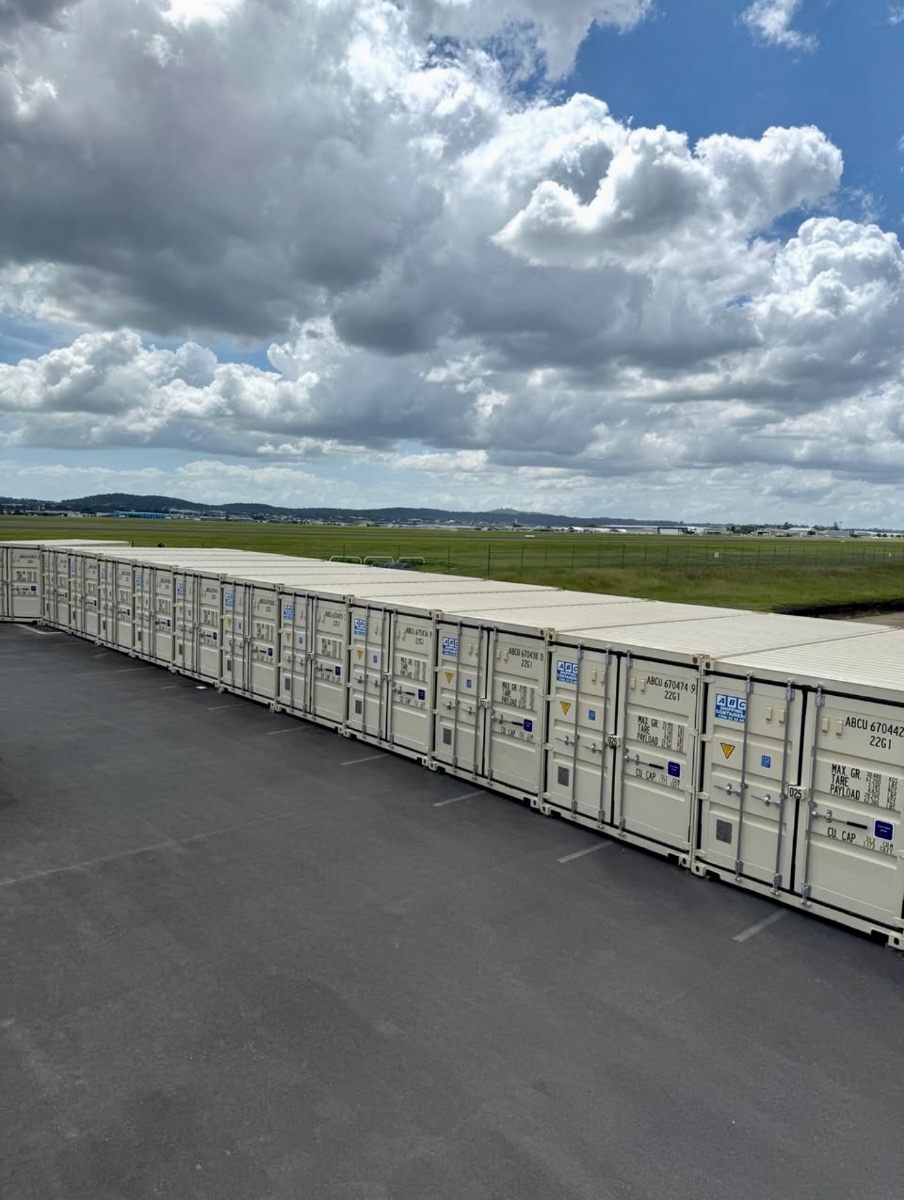
Why Ventilation Matters in a Container Storage Facility
Unventilated metal containers are essentially solar ovens. On a typical Brisbane summer day, the internal temperature of an unventilated 20ft shipping container can reach well above 60°C - hot enough to warp timber furniture, degrade electronics, crack leather, and cause condensation damage when temperatures drop overnight.
Condensation is actually the bigger concern for most stored goods. When a container heats up during the day and cools overnight, moisture in the trapped air condenses on the internal walls and the surface of your belongings. Over weeks and months, this creates exactly the conditions that cause mould, rust, and fabric damage.
Proper ventilation breaks this cycle. By allowing air to circulate through the container, heat is released during the day and moisture doesn't accumulate to the same degree overnight.
How Our 12-Vent System Works
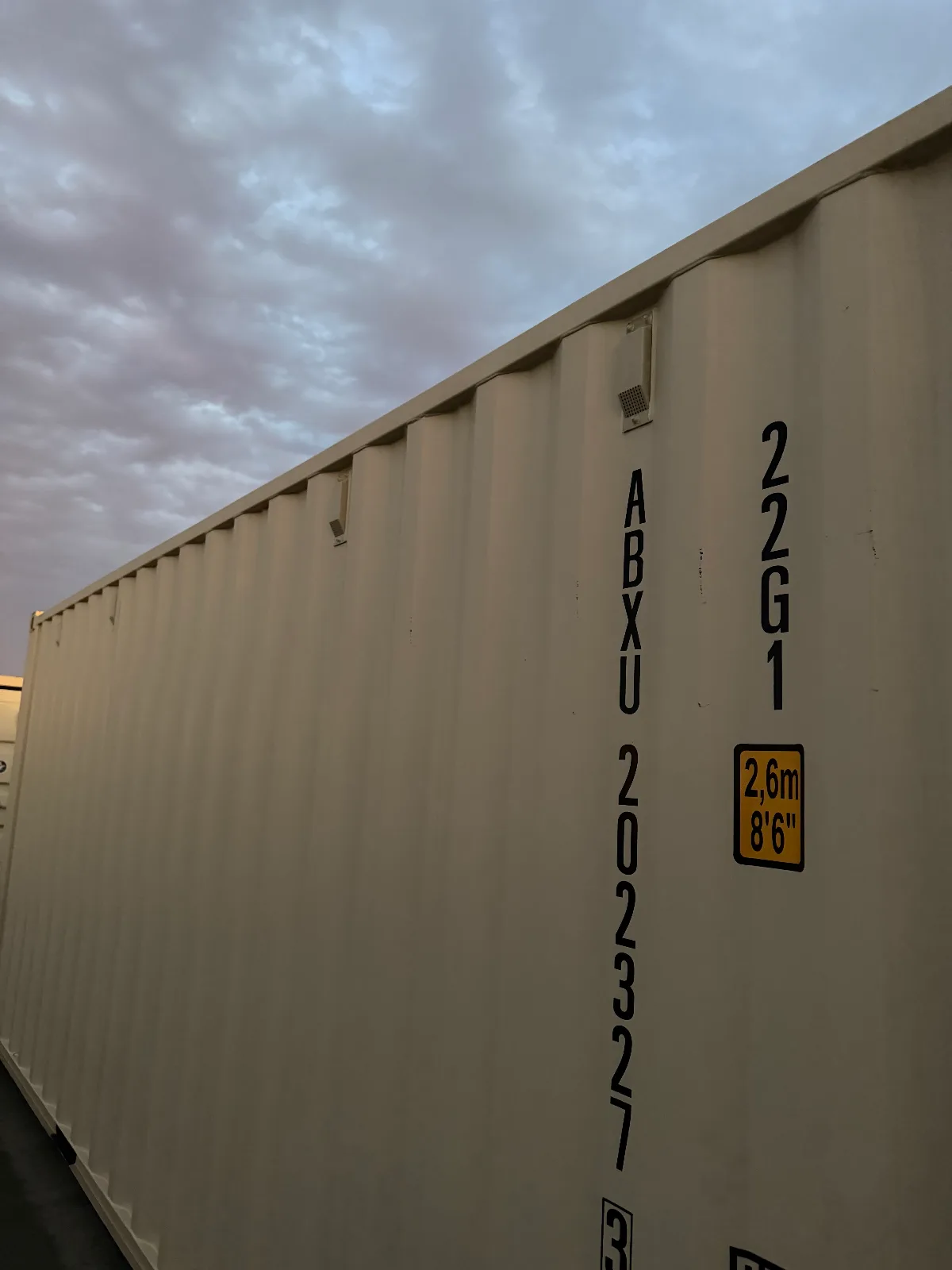
Each container at Storage Land is fitted with 12 waterproof louvred vents, placed at regular intervals around the full perimeter of the container - not just on one end. This matters because it creates cross-flow ventilation rather than just a single air outlet.
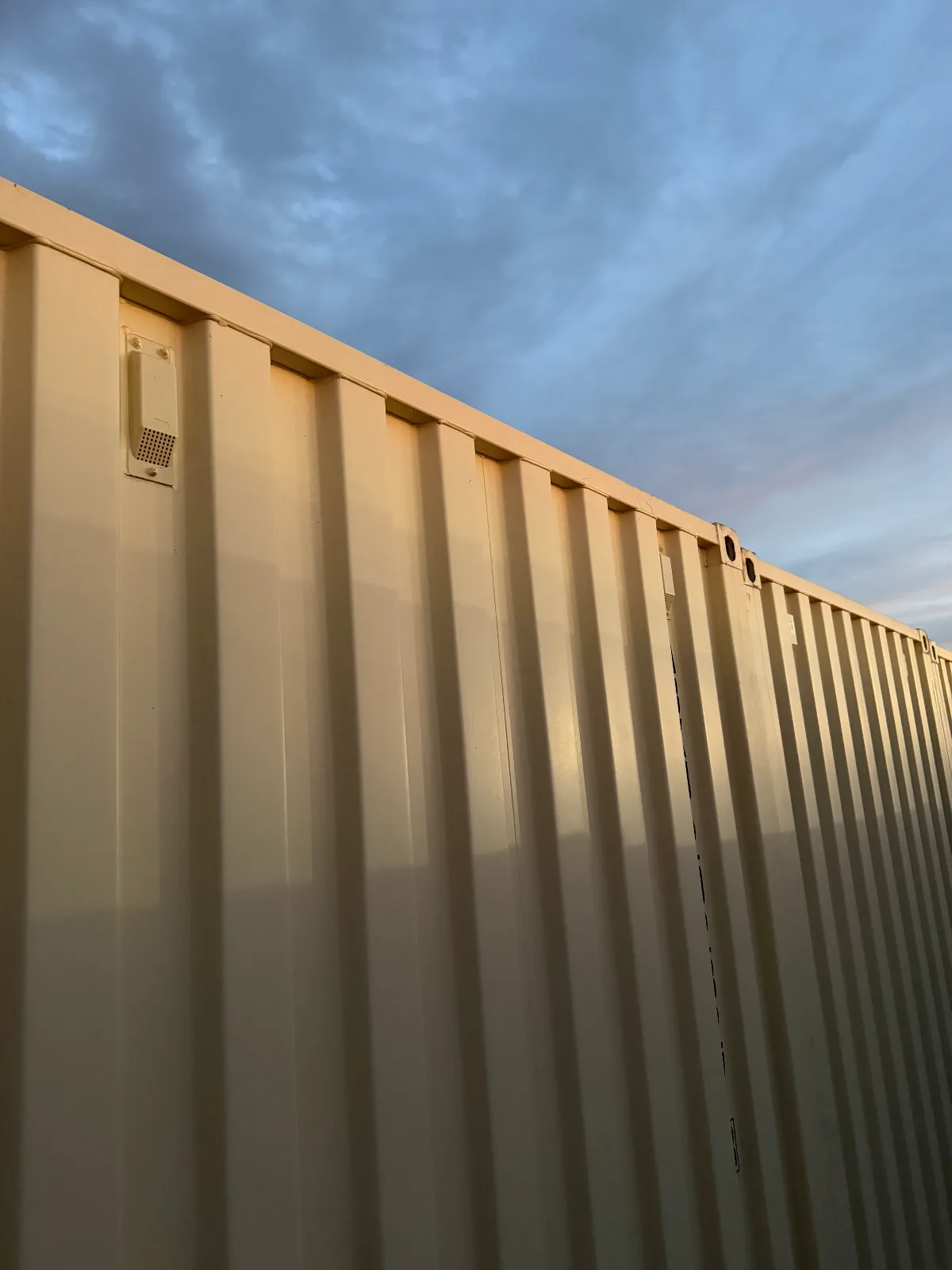
With vents distributed around all four sides, air can move through the container in multiple directions depending on wind conditions. On still days, the heat differential between the top and bottom of the container creates a natural convection effect - warm air rises and exits through the upper vents while cooler air is drawn in lower down.
The vents are louvred and waterproof by design, so they allow airflow without letting rain or direct water ingress inside the container. Brisbane's storm season brings heavy, sideways rain and the vents are built to handle it.
What Can You Safely Store in a Ventilated Container?
Ventilated container storage handles the vast majority of household and business goods without any issues. Items that store comfortably in our containers include:
- Furniture - lounge suites, dining tables, bed frames, wardrobes
- Whitegoods - fridges, washing machines, dryers (defrosted before storage)
- Boxes of clothing, books, kitchenware, and general household items
- Outdoor and sporting equipment - bikes, kayaks, camping gear
- Tools, machinery, and trade equipment
- Vehicle parts, tyres, and accessories
- Office furniture and filing
The ventilation system isn't climate control - the containers aren't air conditioned, and internal temperature will still vary with outside conditions. That said, the vents keep temperatures meaningfully lower than an unventilated container and prevent the moisture buildup that causes the most common types of storage damage.
What to Avoid Storing in Any Container
A few categories of items aren't suitable for container storage, regardless of ventilation:
- Perishable food - obviously. No refrigeration.
- Highly temperature-sensitive items - some musical instruments (particularly fine timber pieces), certain artworks, or wine collections that need to be kept within a narrow temperature band.
- Flammable liquids and chemicals - not permitted in any storage facility.
- Anything irreplaceable without insurance - if you're storing irreplaceable documents or sentimental items, make sure you have appropriate cover in place.
If you're unsure whether a specific item is suitable, give Jason at Storage Land a call on 0452 043 647 or email info@storageland.au and we can advise.
Tips for Packing to Maximise Airflow
The ventilation system does its job best when there's some space for air to circulate inside the container. A few packing habits that help:
- Don't pack right to the walls on all sides - leave a few centimetres of space between your stacked items and the container walls where possible. This lets air circulate around your belongings rather than being trapped between solid surfaces.
- Elevate timber furniture - our containers are already elevated on timber blocks, which is the main protection. Inside the container, putting timber pieces on pallets or boards adds an extra buffer.
- Use breathable covers, not plastic - wrap upholstered furniture in moving blankets or fabric covers rather than plastic wrap. Plastic traps moisture against fabric.
- Silica gel sachets for sensitive items - if you're storing electronics or important documents, a handful of silica gel desiccant sachets inside the boxes adds extra moisture protection.
- Fully defrost whitegoods - fridges and freezers need at least 24 hours to fully defrost and dry out before going into storage. Any residual water will cause mould inside the appliance.
Our Containers Are Elevated - Here's Why That Also Helps
In addition to the 12-vent system, all containers at Storage Land are elevated off the ground on timber blocks. This does two things for airflow and moisture management:
First, it prevents ground moisture from wicking up into the container floor. Concrete and bitumen surfaces retain moisture, and direct contact between a metal container base and a wet yard surface can cause condensation issues on the container floor even with vented walls.
Second, elevation allows air to circulate underneath the container, helping keep the base temperature consistent with the surrounding air rather than picking up heat from the ground surface during summer.
Combined with the sealed bitumen yard (no mud, no puddles), this makes for a significantly drier and better-ventilated storage environment than a container sitting directly on grass or gravel.
Container Ventilation vs Climate-Controlled Storage
Traditional self-storage facilities often offer climate-controlled units - air-conditioned spaces that maintain a set temperature year-round. These units exist for a reason, but they're significantly more expensive and most stored goods don't need them.
For the vast majority of household contents, furniture, tools, and business equipment, ventilated container storage provides perfectly adequate conditions. The 40% cost saving over traditional self-storage goes a long way, and the drive-up access and 24/7 availability make container storage more practical for most situations.
If you genuinely need climate control - for fine art, wine, or very sensitive electronics - that's a different product. But if you're storing the contents of a home, a business fit-out, or a vehicle-related collection, ventilated container storage is the right choice.
Frequently Asked Questions: Container Ventilation
Do the storage containers at Storage Land have ventilation?
Yes. Every container is fitted with 12 waterproof louvred vents distributed around all sides of the container. These allow continuous airflow through the container and prevent heat and moisture from building up inside.
Will my belongings get damaged by heat in a storage container in Brisbane?
With proper ventilation, the risk of heat damage is significantly reduced. Our 12-vent system keeps air moving and prevents the extreme internal temperatures that occur in unventilated containers. For most household goods, furniture, and equipment, this level of ventilation is sufficient. Items requiring strict climate control (such as fine art or temperature-sensitive instruments) would need a climate-controlled facility.
Do the vents let rain in?
No. The vents are louvred and waterproof, designed to allow airflow without letting water ingress. Storage Land's containers handle Brisbane's summer storms without water getting inside through the vents.
How do I pack to protect against moisture in a storage container?
Use breathable covers (moving blankets, fabric sheets) rather than plastic wrap on upholstered furniture, leave some space between your items and the container walls for air circulation, fully defrost whitegoods before storing, and consider silica gel desiccant sachets inside boxes of electronics or important documents.
Are your containers elevated off the ground?
Yes. All containers at Storage Land are elevated on timber blocks. This prevents ground moisture from wicking into the container base and allows air to circulate underneath, contributing to a drier internal environment overall.
Ready to Store? 12 Vents. No Lock-In. 24/7 Access.
Container storage from $349/mo at our Archerfield facility. Month-to-month contracts, sealed bitumen yard, drive-up access.