Furniture Storage Brisbane
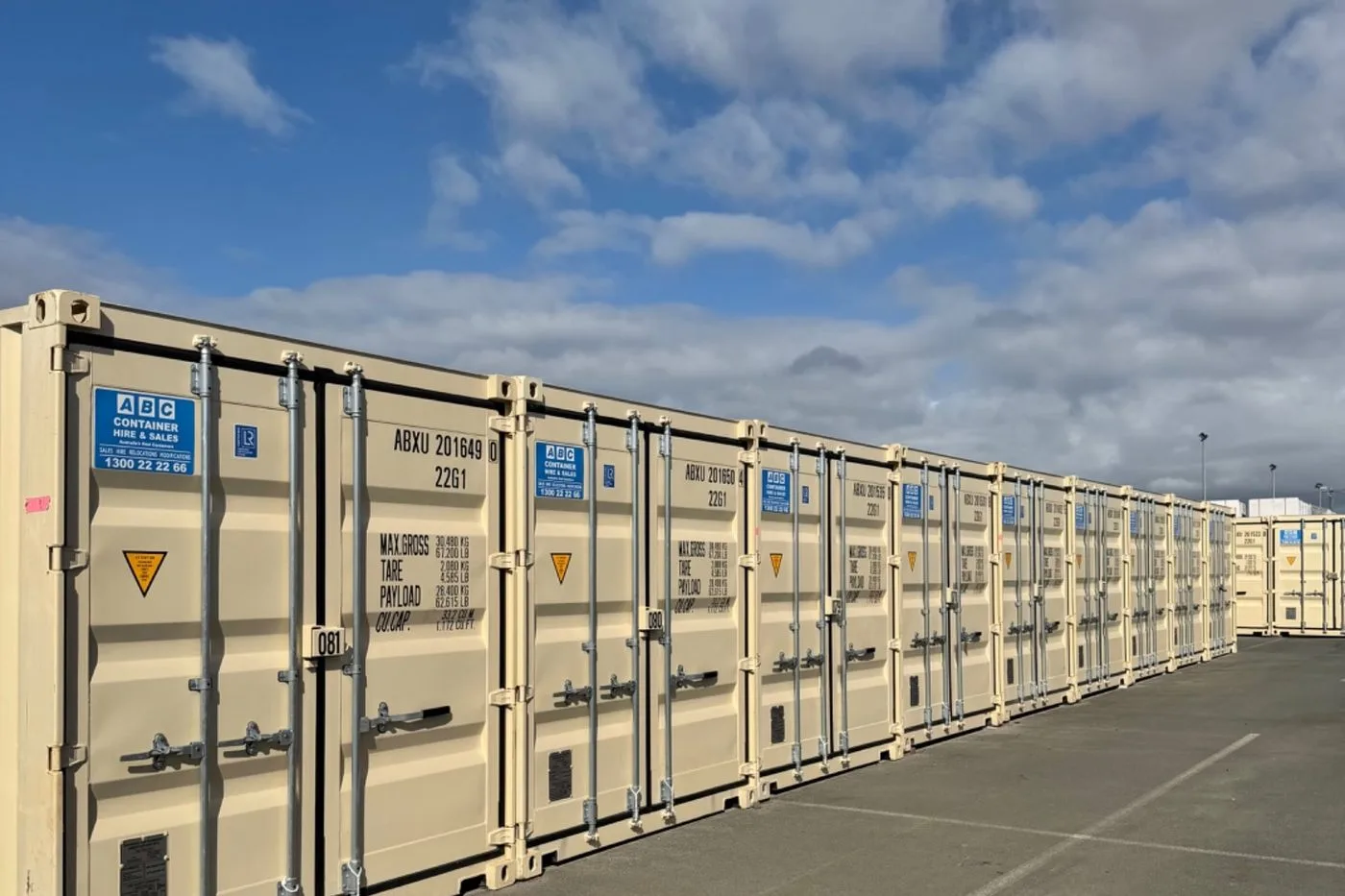
Furniture storage Brisbane households can access easily, securely, and without paying for oversized indoor storage facilities. Storage Land provides practical container storage from our Archerfield location, helping customers protect furniture during moves, renovations, downsizing, and temporary living changes.
For peace of mind, your belongings are kept in our fully fenced and gated Archerfield yard, watched over by 30+ security cameras on site.
Furniture storage is often needed during periods of transition. Some customers are between homes while waiting for settlement dates to align. Others are renovating and need entire rooms cleared out for several months. Many simply need extra breathing room while deciding what to keep, sell, or move into a smaller property.
Storage Land gives customers a simple way to keep furniture nearby without overcrowding garages, spare rooms, or living areas. The process is straightforward from the beginning. You drive directly to your container, load your belongings, lock the container, and access it again whenever needed.
Book your furniture storage online today.
Why People Use Furniture Storage
Furniture storage is rarely about long term warehousing. Most customers use storage because their home situation is changing and they need temporary space while everything settles down.
One of the most common situations is moving house. Settlement delays, overlapping leases, and temporary accommodation often create a gap between properties. Instead of rushing furniture into unsuitable spaces or relying on expensive removalist holding fees, a storage container gives customers flexibility while plans come together properly.
Renovations are another major reason people seek storage. Kitchen upgrades, flooring replacements, extensions, and repainting projects become much easier when furniture is removed from the work area entirely. Keeping couches, dining tables, mattresses, and cabinets off site also reduces the risk of dust, scratches, and accidental damage during construction.
Common Furniture Storage Situations
Furniture storage is usually tied to a specific life event or period of change. Some of the most common situations customers use storage for include:
- Moving between homes during settlement periods
- Storing furniture during renovations
- Downsizing into smaller properties
- Decluttering homes before sale campaigns
- Temporary storage during interstate relocations
- Keeping inherited furniture while estates are organised
In most cases, customers simply need a secure place to keep furniture and personal belongings while life transitions are underway.
Furniture Storage Options and Pricing
| Storage Type | Price | Best For |
|---|---|---|
| 20ft Container | From $349/month | 2-3 bedroom home furniture |
| 40ft Container | From $599/month | 4+ bedroom home furniture |
A standard 20ft container suits most household furniture storage situations and is generally large enough for the contents of a typical three to four bedroom home, depending on how items are packed.
Furniture storage pricing includes:
- 20ft container storage from $349 per month
- Month to month flexibility
- GST included in pricing
- No hidden administration fees
- 24 hour gated access
Preparing Furniture for Storage
Preparing furniture properly before storage helps keep everything in good condition and makes unpacking much easier later on.
Before moving items into storage, it is worth taking the time to:
- Clean furniture thoroughly and remove dust or food residue
- Disassemble larger furniture where practical
- Store screws and hardware in labelled bags
- Use blankets or furniture pads to protect surfaces
- Keep heavier items lower and lighter boxes higher
For timber and upholstered furniture, breathable protective coverings are generally better than tightly wrapping everything in plastic. This helps reduce trapped moisture and keeps airflow moving around stored items.
Packing the container carefully also improves accessibility later on. Customers often leave a small walkway through the centre so important items remain easy to reach during storage.
Secure Furniture Storage in Archerfield
Furniture often carries both financial and sentimental value, which makes secure storage an important part of choosing storage. Storage Land operates from a gated Archerfield facility with controlled PIN access for customers. CCTV monitoring operates throughout the site, and customers secure their own container using their own lock.
Customers receive 24 hour access, allowing them to retrieve or add items whenever needed rather than working around restricted office hours.
Frequently Asked Questions
How much furniture fits inside a 20ft container?
A standard container usually fits the contents of a typical three to four bedroom home, including furniture and boxes.
Can I access my furniture whenever I need it?
Yes. Customers receive 24 hour access using their own secure PIN code.
Are the storage containers weather resistant?
The containers are sealed steel units designed to protect belongings from rain, debris, and outside conditions.
Is furniture storage suitable during renovations?
Absolutely. Many customers use storage during kitchen renovations, flooring upgrades, extensions, and repainting projects.
Are there lock in contracts?
No. Storage is offered on a flexible month to month basis with 30 days notice required to vacate.
Storing furniture for a specific reason? See our guides on moving house storage, downsizing storage, and renovation storage in Brisbane. You can also explore personal storage and full container storage options, or read how much fits in a 20ft container and the best way to pack a storage unit to protect your furniture.
Book Furniture Storage Brisbane Today
If you need furniture storage Brisbane households can access easily and affordably, Storage Land offers secure container storage with flexible pricing and straightforward access from Archerfield.
Check availability online and secure your furniture storage today.